
Contacts vs. Prescription Sunglasses for Athletes in [location get='city']
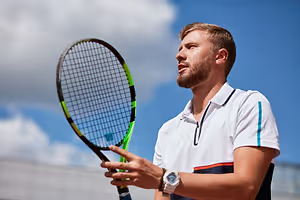
Choosing the right vision correction for sports is not always as simple as picking glasses or contacts. The best option can depend on your sport, how much you move, whether you are outdoors, the type of headgear you wear, and how comfortable you are with contact lenses.
For some athletes, contact lenses offer freedom from frames and a wider field of view. For others, prescription sunglasses combine clear vision with convenient sun protection. At Middletown & Settlers Walk Eye Care, athletes in Springboro, Ohio can discuss their prescription, eye health, and activities to find an option that fits the way they move.
What Matters Most for Sports Vision?
Good sports vision involves more than seeing the scoreboard clearly. Depending on the activity, you may need to track movement around you, react quickly, adapt to changing light, and keep your vision correction comfortable while you run, bend, turn, or wear equipment.
When comparing contacts vs prescription sunglasses for athletes, consider:
- Your field of view
- How securely your eyewear stays in place
- Sun and UV exposure
- Helmet or headgear compatibility
- Contact lens comfort
- Your prescription
- Whether your sport requires protective eyewear
The right choice can also change from one activity to another. You might prefer contacts at an indoor fitness class but reach for prescription sunglasses when running or golfing outdoors.
Benefits of Contact Lenses for Sports
For many active people, contact lenses for sports can offer practical advantages. Because contacts sit directly on the eyes, there are no eyeglass frames to shift on your face as you move.
A contact lens fitting at Middletown & Settlers Walk Eye Care considers your prescription, eye health, lifestyle, and the shape of your eyes. The fitting can also include tear film evaluation and trial lenses to assess vision, fit, and comfort.
A Clearer Peripheral View
Contact lenses can provide vision correction without a frame sitting at the edges of your view.
That can be useful during activities where you are following movement from several directions, such as recreational court or field sports. The practice has also discussed this advantage in its guide to daily contact lens benefits, which explains how contacts can support peripheral vision during active routines.
For athletes who rely on awareness of what is happening around them, this can make contact lenses for athletes an appealing option.
Less Interference During Movement
Everyday glasses can shift when you run, lift, bend, or move quickly. Contacts move with your eyes instead of resting on your face, which can remove one distraction during an active workout or game.
This does not make contacts the best option for every athlete, but they can be convenient for people who dislike adjusting frames during exercise or who participate in activities with frequent movement.
Flexibility With Helmets & Sports Eyewear
Contacts can also make it easier to wear certain helmets, goggles, or non-prescription sports sunglasses without fitting prescription eyeglass frames underneath.
For outdoor activities, an athlete who wears contacts may still choose separate sunglasses for UV protection and glare reduction. For sports where eye injuries are possible, contacts do not replace proper protective eyewear, so activity-appropriate sports eye protection may still be necessary.
Benefits of Prescription Sunglasses for Sports
For outdoor athletes, prescription sunglasses for sports can combine vision correction with sun protection in one pair of eyewear. They may be a good fit for people who prefer glasses, do not wear contacts, or want an easy option for activities such as running, golf, hiking, and other outdoor recreation.
The right pair should match both your prescription and the demands of your activity. Fit, lens design, coverage, and comfort can all affect how useful sunglasses feel while you are moving.
Vision Correction & UV Protection
Outdoor activities can mean spending hours in bright sunlight. Prescription sunglasses allow you to see clearly through your prescription while also wearing lenses designed to help protect your eyes from UV exposure.
Middletown & Settlers Walk Eye Care offers prescription sunglasses as part of its eyewear selection, including sunwear suitable for sports and everyday activities.
Depending on your needs, your eye care team can help you explore lens and frame options that balance clear vision, comfort, and sun protection.
No Contact Lens Wear Required
Contacts are not the right choice for everyone.
Some athletes simply prefer glasses, while others may experience dry eye, difficulty handling lenses, or other factors that make contact lens wear less appealing. Prescription sunglasses provide another way to combine clear outdoor vision with sun protection without needing to insert or remove lenses.
They can also be useful as an alternative on days when you choose not to wear contacts.
Options for Outdoor Activities
The best sunglasses for an athlete depend on how and where they will be used.
A golfer may prioritize clear distance vision and comfortable sun protection over several hours outdoors. A runner may care more about a secure fit and lightweight frame. Someone hiking or spending a day outside may simply want prescription vision without switching between regular glasses and non-prescription sunglasses.
The important distinction is that prescription sunglasses provide vision correction and sun protection, but ordinary sunglasses are not automatically protective sports eyewear. Activities with a risk of eye injury may require eyewear designed specifically for impact protection.
Which Option Fits Your Sport?
There is no single winner in the contacts vs prescription sunglasses for athletes comparison. Your sport and environment can make one option more practical than the other.
For example:
- Running: Contacts can eliminate shifting prescription frames, while well-fitting prescription sunglasses can combine vision correction with sun protection outdoors.
- Golf: Either option may work well. Contacts offer an open field of view, while prescription sunglasses may appeal to golfers who prefer eyewear and spend long periods in bright conditions.
- Court & field sports: Contact lenses can offer unobstructed peripheral vision, but appropriate protective sports eyewear may still be important when there is a risk of eye injury.
- Cycling: Contacts may pair easily with non-prescription cycling sunglasses, while prescription sport sunwear can offer another option for riders who prefer glasses.
- Gym & indoor workouts: Contacts can help avoid everyday frames slipping or shifting during movement.
- Outdoor recreation: Prescription sunglasses can be convenient when clear vision and sun protection are both priorities.
Your answer may also change depending on the day. An athlete might prefer contacts for an indoor league and prescription sunglasses for a weekend outdoors.
What About Swimming & Water Sports?
Water requires a different approach.
Swimming in contact lenses is generally discouraged because water can expose lenses and the eyes to microorganisms that increase the risk of infection. Contacts can also trap contaminants against the eye.
For swimming, snorkeling, or diving, purpose-built prescription options such as swim goggles or diving masks may be more appropriate than ordinary contact lenses or sunglasses.
Middletown & Settlers Walk Eye Care offers prescription swim goggles and scuba mask options for people who need clear vision during water activities.
Contact Lenses Need the Right Fit
If you are considering contact lenses for athletes, getting the right fit matters just as much as choosing to wear contacts in the first place.
A contact lens prescription involves more than the numbers used for glasses. Your eye doctor can evaluate the shape and surface of your eyes, tear film, prescription, eye health, lifestyle, and how trial lenses perform before recommending an option.
That process matters for athletes because a lens that looks good on paper still needs to provide comfortable, stable vision during everyday wear.
Your eye doctor can also discuss wearing schedules and lens-care habits so you know how to use your contacts responsibly around workouts, travel, and other activities.
Choosing Sports Vision in Springboro
Your sport, prescription, eye health, environment, and personal preferences can all influence which option works best.
Some athletes appreciate the wider field of view and freedom from frames that contacts provide. Others prefer prescription sunglasses in Springboro for clear outdoor vision and convenient sun protection. You may even find that having both options gives you more flexibility across different activities.
At Middletown & Settlers Walk Eye Care, your eye care team can help you compare contact lenses, prescription eyewear, and activity-specific options based on how you actually use your vision.
Schedule an eye exam with Middletown & Settlers Walk Eye Care in Springboro, Ohio to find a sports vision option that fits your eyes and your activities.
Sports Vision FAQs
Are Contacts Better Than Glasses for Sports?
- Contacts can provide an unobstructed field of view and avoid frames shifting during movement, which can make them convenient for many sports. However, the better choice depends on your eyes, prescription, activity, and personal preferences.
Can I Wear Contacts With Sports Sunglasses?
- Yes, many athletes wear contacts with non-prescription sports sunglasses for outdoor activities. Sunglasses can provide sun protection while contacts handle the vision correction. Protective eyewear may still be necessary for sports with a risk of eye injury.
Are Prescription Sunglasses Good for Running?
- They can be. A well-fitting pair of prescription sunglasses can combine clear vision with sun protection during outdoor runs. Comfort, stability, coverage, and your individual prescription can all influence which eyewear works best.
Can I Wear Contact Lenses While Swimming?
- Swimming in contact lenses is generally not recommended because exposing lenses to water can increase the risk of eye infection. Prescription swim goggles can provide clear vision without requiring contacts in the water.